
Why Ownership Questions Reveal Governance Gaps Sarah was preparing documentation for an upcoming compliance review…
CUI Protection in the Trump Era: How to Strengthen
1.
CUI Protection in the Trump Era: How to Strengthen
Securing Controlled Unclassified Information (CUI) in 2025 and Beyond
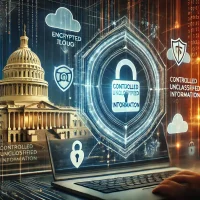
As cyber threats evolve, the federal government is ramping up efforts to safeguard sensitive but unclassified data. With President Donald Trump returning to the White House in 2025, there is a renewed emphasis on national security and stricter cybersecurity regulations—especially concerning Controlled Unclassified Information (CUI).
Furthermore, CUI includes critical data such as defense-related technical blueprints and sensitive federal research. If compromised, this information could threaten national security, economic stability, and public safety. Over the years, compliance requirements for CUI protection have tightened, pushing government agencies and contractors to adopt more robust security measures. The Trump administration’s strong commitment to cybersecurity means organizations must prepare for policy shifts, enhanced enforcement, and evolving security mandates.
However, securing CUI isn’t just about meeting compliance requirements—it requires a fundamental shift in how organizations store, access, and collaborate on sensitive information. A compliant virtual workplace that integrates secure cloud storage, controlled access, regulatory safeguards, and seamless collaboration tools is no longer optional—it’s essential.
What to Expect in This Four-Part Blog Series
Our upcoming blog series will explore the Trump administration’s cybersecurity agenda and its impact on CUI security. We’ll break down new regulations, industry challenges, and the need for a secure, compliant virtual workspace—such as RegDOX’s Compliant Cloud Environment (CCE)—to navigate this changing cybersecurity landscape.
Part 1: The Trump Administration’s Cybersecurity Priorities and Their Impact on CUI
- How is the administration addressing cybersecurity threats?
- What policies are being updated, continued, or restructured?
- Analysis of executive orders, regulatory changes, and enforcement trends shaping CUI security.
Part 2: New Cybersecurity Regulations and Compliance Mandates
- Updates to Federal Acquisition Regulations (FAR) and the expansion of CMMC 2.0.
- Tighter security requirements for federal contractors.
- Steps organizations must take to remain compliant.
Part 3: The Biggest Challenges in CUI Security Compliance
- Rising costs, implementation hurdles, and legal risks.
- The growing cybersecurity workforce gap.
- Best practices for overcoming compliance challenges.
Part 4: The Future of CUI Protection – Why a Compliant Virtual Workplace is the Answer
- Beyond data storage: Safe collaboration and controlled access to sensitive information.
- How secure online workspaces, like RegDOX’s Compliant Cloud Environment (CCE), meet federal security requirements.
- Enhancing operational efficiency while ensuring compliance.
Why This Matters Now
In the coming months, cybersecurity policies and enforcement measures will undergo significant changes. Organizations that proactively strengthen their CUI protection strategies will not only avoid compliance penalties but also position themselves as trusted government contractors.
By staying ahead of federal cybersecurity trends and embracing a secure, compliant virtual workplace, organizations can future-proof their security strategies, enhance efficiency, and improve collaboration.
Stay tuned as we explore how the Trump administration’s policies are shaping the future of cybersecurity and why now is the time to adopt a fully compliant digital workspace.
Click to rate this post!
[Total: 0 Average: 0]
Related Posts

This Post Has 0 Comments